
"Thank YOU so much! I really appreciate being able to learn about my body and having the tools to help change some chronic issues. I’ve already started noticing differences! You’re a brilliant teacher."
✳︎
"So many thanks, Erika. I have started listening to all and LOVE THEM!"
✳︎
"What makes Erika truly stand out is her ability to take complex ideas and explain them in a way that is clear, digestible, and empowering. I am so grateful for Erika’s knowledge, patience, and generosity in sharing her expertise."
✳︎
"Thank YOU so much! I really appreciate being able to learn about my body and having the tools to help change some chronic issues. I’ve already started noticing differences! You’re a brilliant teacher." ✳︎ "So many thanks, Erika. I have started listening to all and LOVE THEM!" ✳︎ "What makes Erika truly stand out is her ability to take complex ideas and explain them in a way that is clear, digestible, and empowering. I am so grateful for Erika’s knowledge, patience, and generosity in sharing her expertise." ✳︎
The Posture Reset Program
Understand Your Body. Move With More Confidence.
Stop chasing the painful area. Start understanding the whole system.
Tired of guessing what your body needs?
Understand your pain. Learn how your body works. Build a movement plan that actually makes sense.
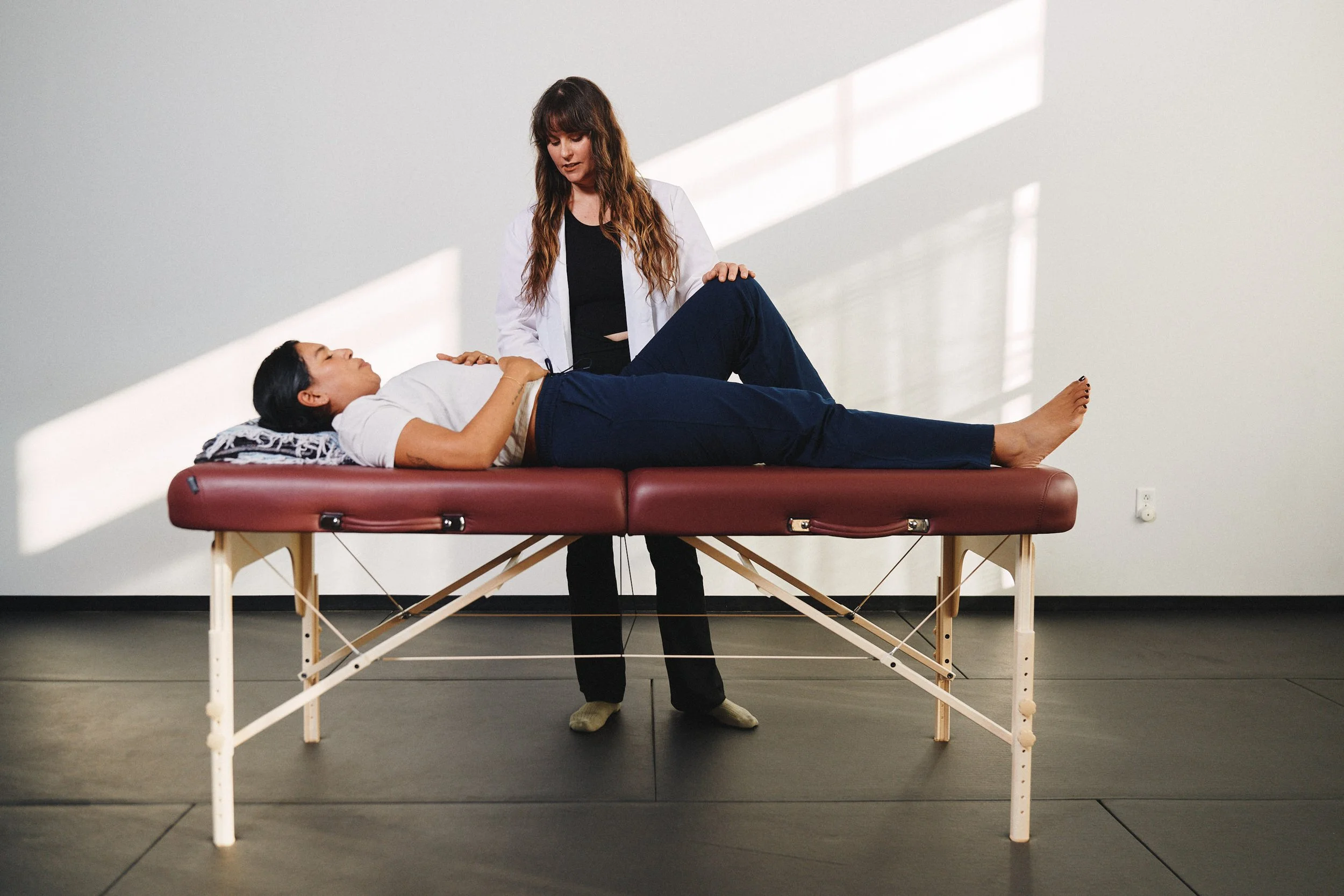
Created by Dr. Erika Porter, PT, DPT, E-RYT—a licensed physical therapist and experienced yoga teacher with a background in anatomy, movement, and pain science. I created this program to bring the same education and practical movement strategies I use with my patients into a format you can learn and practice on your own.
The Posture Reset Program is a five-part, full-body guide to understanding pain, movement, and how the different parts of your body work together. You’ll learn the science behind chronic pain, explore the relationship between breathing and movement, and develop practical strategies for common issues involving the neck and shoulders, low back, hips, knees, ankles, and feet.
Every lesson combines straightforward anatomy and pain science with guided movement practices and progressive exercises so you can take what you learn and apply it to your own body. No complicated anatomy, intense workouts, or fitness background required—just clear, practical education explained the way I explain it to my patients.
Learn how your body works. Build your movement toolkit. Become more confident in how you move.
Disclaimer: This product is for educational and informational purposes only and is not intended to provide individualized medical advice, diagnosis, or treatment. Please consult a qualified healthcare professional regarding your specific needs.
-
-
Lesson 1: Understanding Your Chronic Pain
In this lesson, we’ll start with the foundation: what pain is, why we experience it, and how the nervous system plays a role in producing and processing pain.
In this lesson, we’ll start with the foundation: what pain is, why we experience it, and how the nervous system plays a role in producing and processing pain.
-
-
-
Lesson 1: Diaphragmatic Breathing + Intra-Abdominal Pressure
In this lesson, we’ll explore the mechanics of diaphragmatic breathing, intra-abdominal pressure, and breath coordination.
In this lesson, we’ll explore the mechanics of diaphragmatic breathing, intra-abdominal pressure, and breath coordination.
-
Lesson 2: Guided Practice
Explore neck and rib cage mobility while practicing diaphragmatic breathing and pressure management to improve breathing awareness, coordination, and trunk control.
Explore neck and rib cage mobility while practicing diaphragmatic breathing and pressure management to improve breathing awareness, coordination, and trunk control.
-
-
-
Lesson 1: Mobility, Strength & Mechanics
We’ll explore some of the most common patterns I see in practice while developing a better understanding of the anatomy and biomechanics of this region.
We’ll explore some of the most common patterns I see in practice while developing a better understanding of the anatomy and biomechanics of this region.
-
Lesson 2: Guided Practice
You’ll learn practical strategies to improve mobility, build strength, and support healthier neck and shoulder movement.
You’ll learn practical strategies to improve mobility, build strength, and support healthier neck and shoulder movement.
-
-
-
Lesson 1: Understanding & Managing Low Back Pain
While there are many potential contributors to low back pain, understanding how the body moves and learning how to better manage load, posture, breathing, and core engagement can make a meaningful difference
While there are many potential contributors to low back pain, understanding how the body moves and learning how to better manage load, posture, breathing, and core engagement can make a meaningful difference
-
Lesson 2: Guided Practice
Explore spinal and hip mobility while building core coordination, spinal control, and progressive strength to support confident, adaptable movement.
Explore spinal and hip mobility while building core coordination, spinal control, and progressive strength to support confident, adaptable movement.
-
-
-
Lesson 1: Strength, Mobility & Movement Patterns
We’ll explore hip strength and mobility, common movement imbalances, and how the hips, knees, and ankles work together as a system.
We’ll explore hip strength and mobility, common movement imbalances, and how the hips, knees, and ankles work together as a system.
-
Lesson 2: Guided Practice
You’ll learn how to identify areas that may need more attention and develop strategies to create more balanced, efficient movement from the ground up.
You’ll learn how to identify areas that may need more attention and develop strategies to create more balanced, efficient movement from the ground up.
-
What You'll LearnExpert-Backed Content
Holistic Education from a Licensed Physical Therapist & Experienced Yoga Teacher
I break down anatomy and movement into simple, manageable parts so you can better understand how your body works and why we use each exercise. As you progress, you’ll build both practical movement skills and confidence in your ability to understand, care for, and work with your body.
Build Confidence
Turn what you learn into action with guided practices and targeted home exercises you can use in your everyday life. You’ll learn practical mobility, breathing, and strengthening strategies that help you build movement capacity, manage symptoms, and feel more confident in your body.
Gain Practical Tools
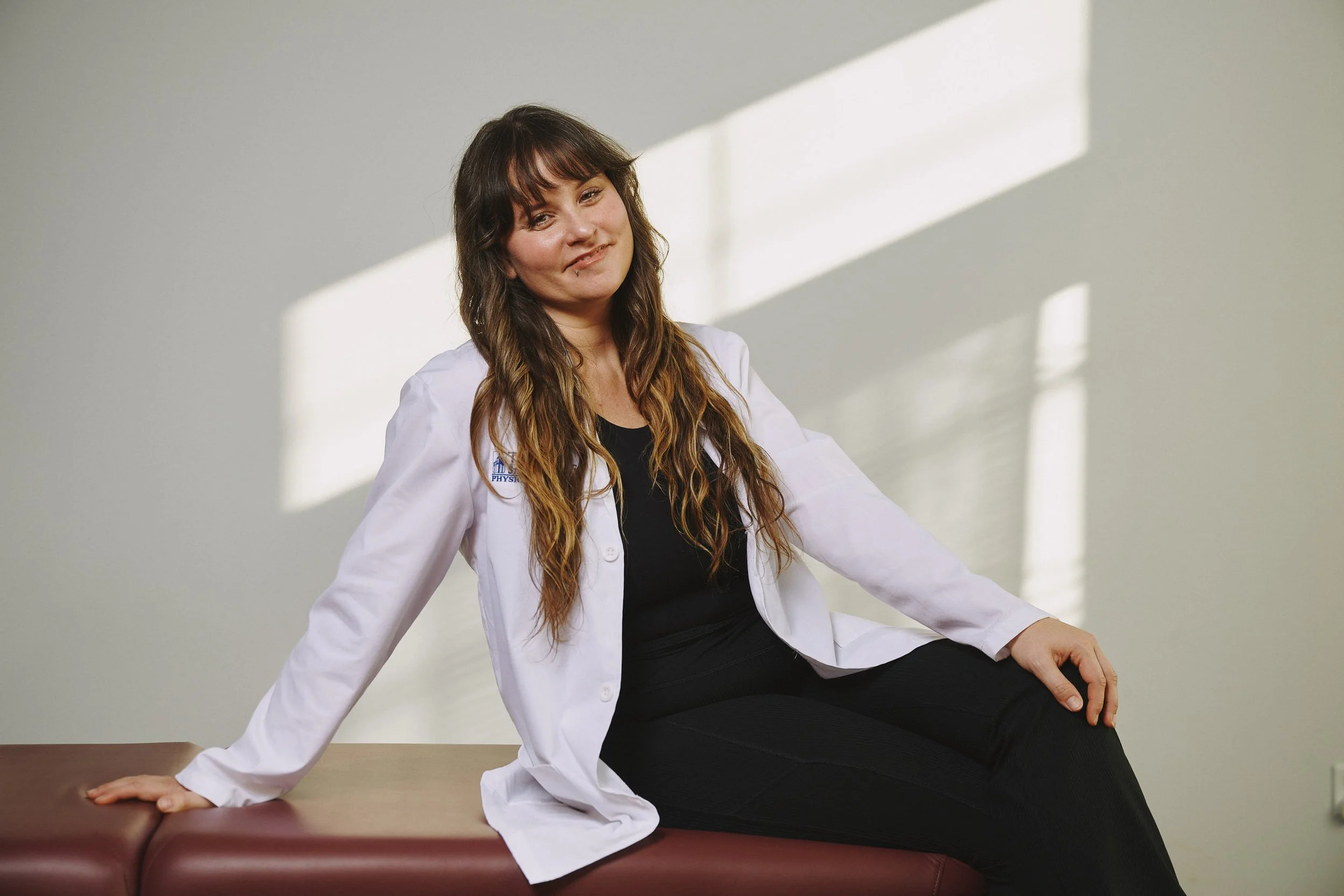
Dr. Erika Porter, PT, DPT, E-RYT Instructor
Move beyond the idea that chronic pain is simply a problem with a “tight” or “weak” muscle. This course introduces evidence-informed approaches to understanding pain and gives you practical tools for improving mobility, strength, breathing, movement confidence, and your ability to manage symptoms.
A New Approach to Chronic Pain
Whether you already have a background in anatomy and movement or you’re starting from scratch, this course gives you a clear foundation to build on. You’ll develop a deeper understanding of how your body works, so you can connect what you already know with new concepts and practical tools.
Strengthen Your Foundation
Inside the program, you’ll learn how to:
☐ Understand your pain
Learn how chronic pain works and why pain doesn’t always mean something is damaged or needs to be “fixed.”
☐ Understand how your body works
Build a practical foundation in anatomy, movement, breathing, and biomechanics—without needing a background in anatomy.
☐ Learn new approaches to chronic pain management
Move beyond the idea that pain is simply caused by a “tight” or “weak” muscle and explore a broader, evidence-informed approach.
☐ Improve your breathing & pressure management
Explore the relationship between breathing, rib cage movement, the diaphragm, abdominal pressure, and trunk control.
☐ Improve neck & shoulder mobility and strength
Learn how the neck, thoracic spine, scapula, and shoulder work together—and practice progressive exercises to build mobility and strength.
☐ Build a stronger, more adaptable low back
Explore spinal and hip mobility while developing core coordination, strength, and confidence in movement.
☐ Understand your lower-extremity chain
Learn how the hips, knees, ankles, and feet work together and how mobility and strength throughout the chain contribute to movement.
☐ Practice with guided movement sessions
Follow along with targeted practices that put the concepts from each lesson into action.
☐ Build your own home exercise practice
Use progressive exercise plans to continue working on mobility, strength, coordination, and movement capacity beyond the course.
☐ Build confidence in your body
Learn how to understand what you're feeling, make sense of your movement, and approach exercise with more knowledge and less fear.
This isn't about finding the “perfect” posture.
It's about understanding your body well enough to move, strengthen, adapt, and respond to what it needs.
More About Dr. Erika Porter…
Erika earned her Doctorate in Physical Therapy at Tennessee State University, specializing in pelvic health, chronic pain, and preventative health. For over a decade, she has guided people through mindful movement, breathwork, and neuro-reeducation, as a yoga teacher, which has uniquely prepared her for her work as a PT. Breathwork and movement practices, two of the pillars of yoga, also bridge the connection between the pelvic floor, the nervous system, and overall function.
Over the years, she has led numerous yoga retreats and taught anatomy trainings, honing her ability to take complex concepts and translate them into clear, actionable guidance. She is particularly skilled at empowering clients to actively participate in their own recovery through simple, achievable steps. For more challenging issues, she incorporates hands-on manual therapy to provide targeted support while guiding clients in rebuilding the brain-body connection through neuromuscular training. This approach helps clients regain confidence, function, and the skills to continue healing independently.
A true people person, Erika values holding space for her clients, believing their pain, and creating a supportive environment where they feel seen and understood. Her approach blends knowledge, empathy, and practical strategies to address chronic pain, injuries, and preventative health, all while fostering long-term wellness, movement efficiency, and self-empowerment.
